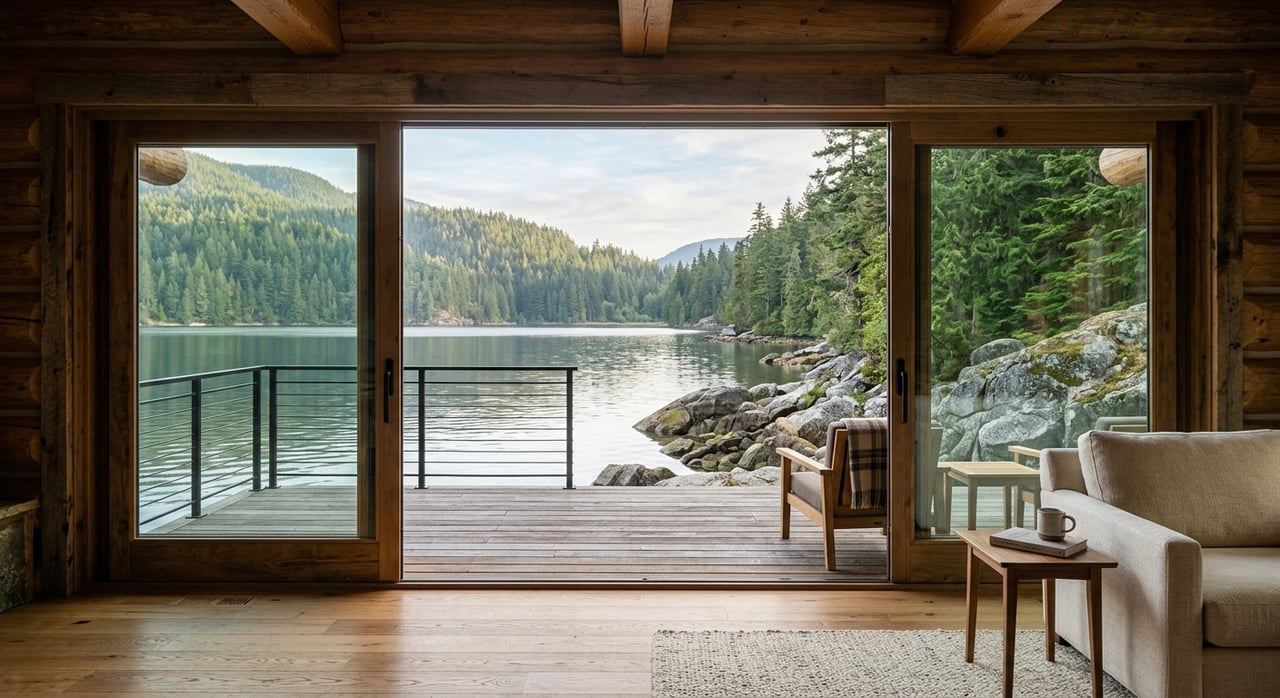
You do not choose West Shore lakefront living just for the view. You choose it for the rhythm of everyday life, where a morning trail walk, a quick coffee run into Tahoe City, an afternoon at the beach, and a quiet winter evening can all feel like part of the same routine. If you are considering a home in Tahoe City’s 96145 area, it helps to understand how the West Shore actually lives day to day, beyond the postcard image. Let’s dive in.
West Shore Life Starts With Rhythm
Tahoe City serves as the practical center of gravity for the West Shore. Placer County describes it as a main gateway to Lake Tahoe’s north and west shores, with downtown acting as a commercial and recreational core. That means you get access to everyday conveniences and activity without the feel of a dense urban waterfront.
The West Shore has a distinct scale and character that local planning efforts aim to preserve. In practical terms, that often translates to a lifestyle that feels active near Tahoe City but quieter and more residential as you move along the shoreline. For many buyers, that balance is exactly the point.
Tahoe City Supports Daily Convenience
One of the biggest advantages of West Shore living is how many daily outings can be simple and close to home. The Tahoe City Public Utility District operates a 23-mile multi-use trail network on the North and West Shores, giving you an easy way to walk or bike for exercise, errands, or a casual outing.
Commons Beach is tied into bike and pedestrian routes and connected to TART bus service from Truckee, Incline Village, and the West Shore. If you live near Tahoe City, a car-light routine is realistic for many day-to-day trips. That can make life feel easier during busy seasons when traffic and parking matter more.
Placer County is also working to improve pedestrian and bicycle access in downtown Tahoe City. Current projects include added parking, a restroom, EV charging, landscaping, and a multi-use trail segment. For homeowners, those improvements support the kind of routine that starts with a walk or bike ride into town before the shoreline gets busy.
Mornings Feel Active and Easy
A typical West Shore morning often begins outside. You might take a trail loop, head into Tahoe City for coffee, or run a quick errand while the streets are still quiet. The area’s layout supports those smaller daily patterns, which is one reason the lifestyle can feel grounded rather than purely vacation-driven.
That matters if you are shopping for a second home and want it to feel usable year-round. The best lifestyle properties are not just close to the water. They are also positioned to make daily routines feel easy, whether that means trail access, proximity to town, or a little more privacy outside the core.
Beach Time Is Part of the Routine
By midday, the lakefront setting tends to shape the day more directly. Commons Beach is a four-plus-acre lakefront park in downtown Tahoe City with lake access, picnicking, a playground, restrooms, shared-use trails, and seasonal outdoor facilities. It is one of the places where everyday living and recreation meet.
Other nearby options add different moods and uses. Lake Forest Beach is known for swimming, sightseeing, bird watching, horseshoes, picnicking, windsurfing, and kayak or SUP rack space, though parking is limited. Skylandia Park adds a pier, woodland trails, a swimming area, a beach, paddle storage, picnic areas, and restrooms.
For homeowners, these public access points matter because Lake Tahoe’s shoreline is not continuously public. TRPA reports that 45% of the shoreline is privately owned, while the Tahoe Conservancy notes that public shoreline ownership has more than doubled since 1971. In everyday terms, that means you experience a mix of private lakefront stretches and a limited number of high-value public access nodes.
Privacy Is a Real Part of West Shore Living
West Shore life often feels more private than people expect, especially outside Tahoe City’s central activity zones. That sense of privacy comes from both the shoreline pattern and the area’s planning framework, which is intended to maintain the West Shore’s scale and character.
This is one of the biggest differences between admiring the area on a weekend visit and living there regularly. You can be close enough to enjoy Tahoe City’s services, trails, and lakefront amenities, while still finding pockets that feel calm and residential. For many buyers, that combination of access and quiet is what defines the West Shore experience.
Boating Adds Lifestyle and Logistics
If lakefront living includes boating in your mind, the West Shore delivers, but it also asks for a little planning. The Lake Forest Boat Ramp is open year-round, but TCPUD notes that it can be very busy in summer. Parking is very limited, and overnight parking is not allowed.
There are also launch requirements to keep in mind. All motorized watercraft must receive a TRPA inspection before launching, and non-motorized gear should be clean, drained, and dry. These are not complicated details, but they are part of the real day-to-day rhythm of owning and using a boat here.
The lake also supports paddle-focused outings. TRPA’s shoreline planning materials identify the 72-mile Lake Tahoe Water Trail, with Lake Forest Boat Ramp among its trail sites. That helps explain why kayaks, paddleboards, and day-use boating are such a visible part of daily life on this stretch of shoreline.
Summer Brings Social Energy
Summer on the West Shore feels lively, but usually in a casual and seasonal way rather than a formal one. Commons Beach hosts free summer concerts and a Thursday farmers market, giving you recurring events that can become part of your weekly routine.
Tahoe City also sees heavy pedestrian and bicycle activity in peak summer. Placer County has identified mobility and safety issues during busy periods, in part because North Lake Boulevard separates much of the parking from the lake. For buyers, this is a helpful reality check: being able to walk or bike can make a major difference in how convenient and enjoyable summer feels.
Even with that activity, summer weather stays relatively moderate. NOAA normals show average highs around 78°F in July and 77°F in August at the Tahoe City station. That makes for comfortable days outside, though lake conditions and mountain weather can still change quickly.
Winter Changes the Pace
Winter gives the West Shore a very different personality. Average January temperatures in Tahoe City are about 39.6°F for the high and 20.6°F for the low, and annual snowfall averages about 179 inches. Snow becomes part of the setting and part of the routine.
The Tahoe City Winter Sports Park becomes a local gathering place for sledding, cross-country skiing, snowshoeing, skiing, and ice skating. Instead of beach days and farmers markets, the season shifts toward snow play and quieter lake views. The shoreline itself often feels more contemplative in winter, which many owners find just as appealing as the summer energy.
This seasonality is central to the West Shore lifestyle. You are not buying into one version of the area. You are buying into a place that changes meaningfully over the year, from warm-weather outings to snow-season routines.
Practical Ownership Matters Here
A good lifestyle fit is not only about recreation. It is also about how a place functions over time. TCPUD provides water, sewer, and parks and recreation services and serves roughly three quarters of homes and businesses in its service area, which makes local infrastructure part of the ownership conversation.
In 2025, the State Water Board reported the opening of the West Lake Tahoe Regional Water Treatment Plant, replacing an aging seasonal plant and providing permanent drinking water and fire protection for west shore communities. That is the kind of practical upgrade that may not show up in listing photos but matters to long-term homeowners.
Wildfire awareness is also part of daily life in the Tahoe Basin. Year-round fire restrictions on National Forest lands reinforce that fire season is a real living consideration, not just a seasonal headline. Buyers looking at West Shore property should think about lifestyle, logistics, and resilience together.
What Buyers Should Look For
When you are evaluating a West Shore home, it helps to think beyond the obvious lake views. Day-to-day ease often comes down to a few practical questions:
- How close are you to trails, town, or public beach access?
- Can you walk or bike to the places you will use most often?
- Do you want to be near Tahoe City’s activity, or a bit farther out for added quiet?
- If boating matters, how will you handle launch-day logistics and storage?
- How comfortable are you with the area’s strong seasonal changes?
The right answer depends on how you plan to live in the home. A second-home buyer may prioritize convenience and easy recreation access, while a full-time or frequent owner may care just as much about privacy, infrastructure, and winter livability.
West Shore Living Is About Repetition
The most authentic version of lakefront living on Tahoe’s West Shore is not just scenic. It is repetitive in the best sense of the word. Trail walks, beach stops, downtown errands, launch planning, summer events, and winter snow all become part of a familiar pattern.
That pattern is what turns a beautiful property into a home you actually use and enjoy. If you are exploring Tahoe City and the West Shore, it helps to work with someone who understands not just where the homes are, but how the area lives from season to season and block to block.
If you are thinking about buying or selling on Tahoe’s West Shore, Kane Schaller can help you evaluate the lifestyle, location, and property fit with clear local guidance.
FAQs
How walkable is lakefront living in Tahoe City’s West Shore?
- Near Tahoe City, many daily outings can be walkable or bikeable thanks to the 23-mile multi-use trail network, pedestrian routes, and TART bus connections.
How private does West Shore lakefront living feel?
- Many parts of the West Shore feel quite private because shoreline access is concentrated in specific public nodes, while large stretches remain residential in character.
How easy is boating from a West Shore home?
- Boating is very much part of the lifestyle, but summer launch planning matters because the Lake Forest Boat Ramp gets busy, parking is limited, and motorized boats need TRPA inspection.
How seasonal is everyday life on Tahoe’s West Shore?
- The lifestyle is highly seasonal, with summer centered on beaches, trails, and outdoor events, and winter shifting toward snow activities and quieter lakefront routines.
What is summer weather like in Tahoe City?
- NOAA normals show average highs of about 78°F in July and 77°F in August, which supports comfortable outdoor living while still calling for awareness of changing mountain weather.
What practical ownership issues should buyers consider on the West Shore?
- Buyers should think about access, parking, boating logistics, winter snow, local utility infrastructure, and year-round wildfire awareness as part of everyday ownership.