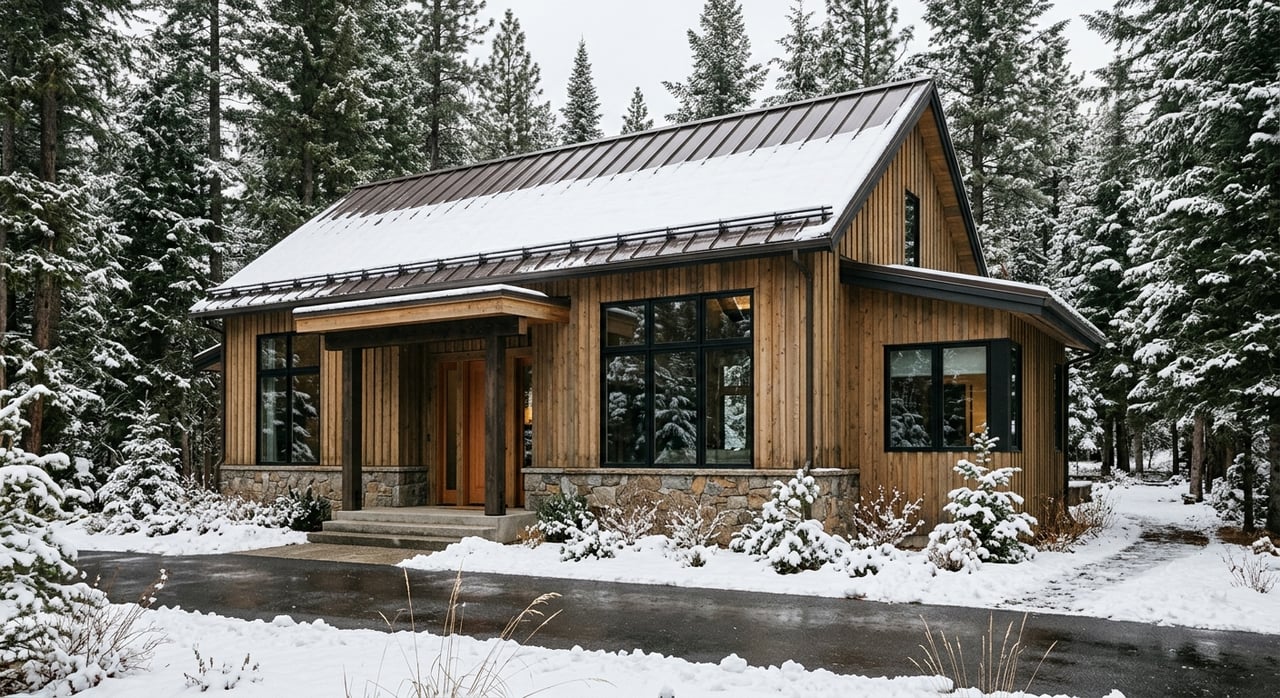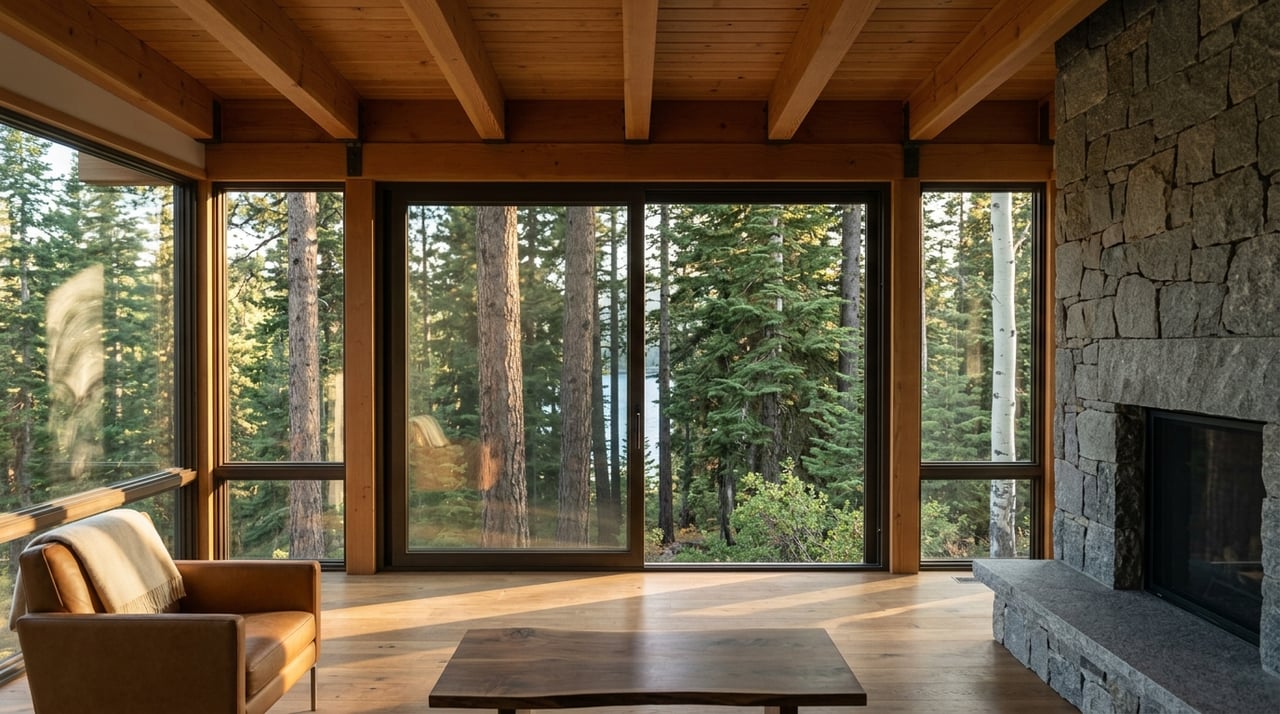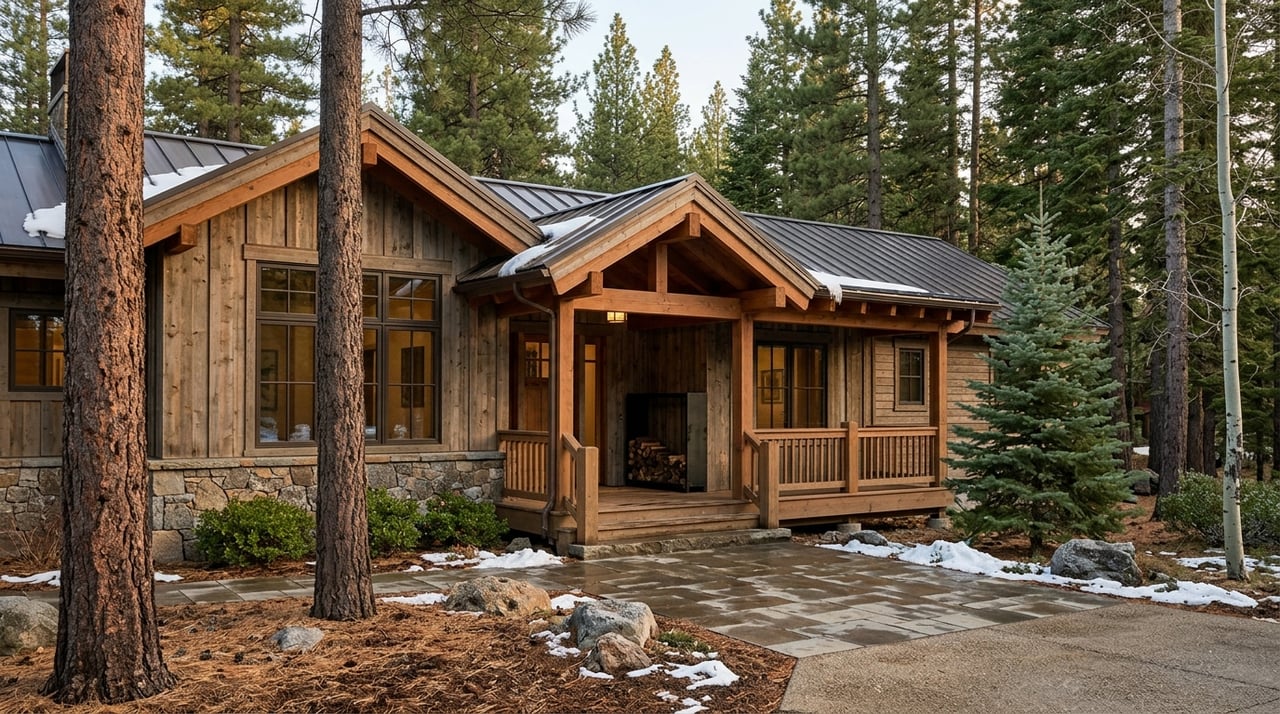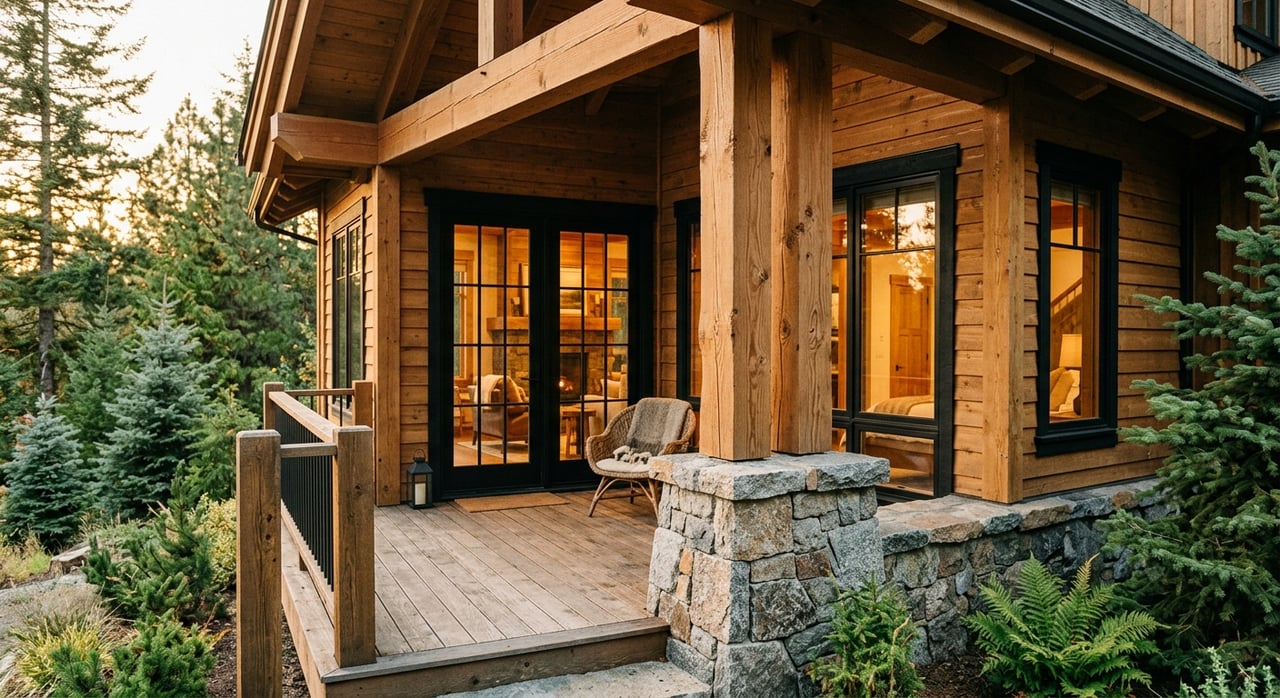
Wondering why one Tahoe Donner home gets strong interest right away while another sits and chases the market? In a community shaped by amenities, second-home demand, and distinct buyer expectations, pricing is not just about square footage or a broad Truckee average. If you want to sell with confidence, you need a strategy built around Tahoe Donner itself. Let’s dive in.
Why Tahoe Donner Pricing Is Different
Tahoe Donner is a true micro-market within Truckee. With nearly 6,500 properties, 25,000 members, and more than 7,300 acres, it has its own scale, structure, and buyer expectations. That means your home should be priced against Tahoe Donner comparables first, not simply against the wider Truckee market.
The community’s amenity package also shapes value in a real way. Tahoe Donner includes skiing, golf, trails, beach club access, tennis and pickleball, a recreation center, equestrian facilities, and a campground. Buyers are not only purchasing a home here. They are also evaluating the lifestyle that comes with ownership.
Start With the Right Comp Set
One of the most important pricing decisions is choosing the right comparable sales. In Tahoe Donner, that means staying within the community and then narrowing further by property type, condition, and feature set. A condo, townhouse, and single-family home may all be in Tahoe Donner, but they do not belong in the same pricing bucket.
You also want to compare homes with similar usability and appeal. Buyers in this market often care about turnkey condition, practical mountain-living features, and year-round enjoyment. If your home offers easy seasonal use, updated interiors, or strong outdoor access, those details can support pricing, but only when they are matched against similar sales.
Price for Tahoe Donner Buyers, Not Generic Buyers
Tahoe Donner buyers often come with a specific lifestyle in mind. According to the 2025 membership research report, recent buyers most often cited proximity to activities, trail access, a quiet and peaceful setting, private amenities, active lifestyles, family-oriented activities, HOA standards, and strong value as reasons for buying.
That matters because your price has to reflect what this buyer pool actually values. A Tahoe Donner buyer is often comparing how well a home supports weekend use, seasonal recreation, and low-friction ownership. Features that make the property easier to enjoy across winter and summer can have a meaningful impact on how buyers perceive value.
Factor HOA Costs Into Your Strategy
Pricing in Tahoe Donner should account for ownership costs, not just the asking prices of nearby homes. In 2026, the Tahoe Donner Annual Assessment is $3,621, and private amenity access is included for the first four Member ID cardholders. There is no separate Rec Fee or member daily access fee.
Buyers will weigh those costs and rules as part of the total value equation. A higher carrying cost does not automatically hurt value, but it does mean your pricing should feel justified by condition, presentation, and the lifestyle benefits your home delivers. Clear communication about amenity access is especially important because not every buyer understands the membership structure.
Show Amenity Value Clearly
Amenities can support a premium, but only when the value is presented accurately. Tahoe Donner’s official materials outline member access rules, card limits, and separate treatment for guests and short-term tenants. That means sellers should avoid vague claims and instead present amenity access in a clear, factual way.
If your home is especially well-positioned for trails, recreation, or multi-season use, that should be part of the pricing story. Still, the premium needs to match what buyers can verify and experience. In other words, lifestyle sells, but clarity closes the gap between interest and offers.
Condition and Compliance Affect Price
In Tahoe Donner, condition means more than fresh paint and attractive staging. The HOA maintains defensible-space requirements, real-estate inspections, a homeowner property inspection program, architectural standards, and short-term rental rules. Buyers know these standards are part of ownership here, and many see them as part of the community’s appeal.
That means visible upkeep and compliance can strengthen buyer confidence. A home that appears well maintained, mountain-ready, and aligned with community standards may justify tighter pricing than a similar home with deferred maintenance or unclear compliance issues. In this market, perceived risk often shows up in buyer hesitation and lower offers.
Turnkey Homes Often Compete Better
Recent buyers in Tahoe Donner skew younger, with more than half under 50. The same research indicates that many owners and renters use properties for vacations or part-time stays, and second homeowners spend about a quarter of the year in Tahoe Donner. That makes convenience a major part of the value conversation.
For many buyers, a move-in-ready property is easier to justify at a stronger price point than a home that needs immediate work. If your home is set up for practical, comfortable use across seasons, that can help support pricing. Buyers shopping for a mountain retreat often want to start using it right away.
Use Seasonality to Your Advantage
Tahoe Donner’s demand is naturally seasonal because the community offers skiing, golf, trails, beach club recreation, and snowplay. Since the owner base is heavily second-home oriented and many buyers use homes for vacations or part-time stays, timing can influence how buyers respond to price.
The goal is to launch when your home’s lifestyle benefits are easiest to see and feel. A property with strong summer appeal may show differently than one that shines during ski season. Smart pricing works best when it matches both current market conditions and the season in which buyers are most likely to connect with the home.
Let Current Market Data Keep You Grounded
Recent market numbers show that Tahoe Donner remains competitive. Over the three months ending May 2026, the median sale price was $1.2 million, up 9.6% year over year. Median days on market were 40, the sale-to-list ratio was 99.0%, 24.4% of homes sold above list price, and 18.2% had price drops.
These numbers tell a balanced story. Well-positioned homes can still move quickly, but buyers are not ignoring overpricing. If your home enters the market too high, the likely result is more time on market, weaker momentum, and a greater chance of a price reduction.
Avoid the Most Common Pricing Mistakes
A smart pricing strategy often comes down to avoiding a few costly errors.
Using Truckee-Wide Averages
Tahoe Donner has its own buyer profile, amenity structure, and ownership costs. Broad Truckee data can provide context, but it should not be the main basis for your list price.
Mixing Property Types
Single-family homes, townhouses, and condos serve different buyers and trade differently. When sellers blur those categories, the price usually becomes harder to defend.
Ignoring Carrying Costs
Buyers factor the annual assessment into affordability and value. If your price does not account for the full ownership picture, it may feel out of step with the market.
Overvaluing Lifestyle Without Proof
Amenities matter, but only when their value is explained clearly and supported by the home’s actual location, condition, and usability. Lifestyle alone cannot carry an unrealistic list price.
Underestimating Condition Issues
Deferred maintenance, defensible-space concerns, or unclear compliance can affect buyer confidence. In Tahoe Donner, these details are part of the pricing conversation.
What Smart Pricing Looks Like
The best pricing strategies in Tahoe Donner usually combine market discipline with lifestyle positioning. That means looking closely at recent Tahoe Donner sales, choosing truly comparable homes, and adjusting for property type, condition, amenity appeal, and ownership costs.
It also means being honest about how buyers will see your home today, not how they might have seen it a year ago. In a competitive market, accuracy creates momentum. Strong early interest is often what gives sellers the best chance to protect value and negotiate from strength.
If you are thinking about selling in Tahoe Donner, a pricing strategy built around neighborhood nuance can make a meaningful difference. For tailored guidance, local market insight, and premium seller representation, connect with Kane Schaller.
FAQs
What makes Tahoe Donner home pricing different from other Truckee neighborhoods?
- Tahoe Donner functions as its own micro-market, so pricing should reflect Tahoe Donner sales, property types, amenities, buyer expectations, and annual ownership costs rather than relying mainly on broader Truckee averages.
How do Tahoe Donner amenities affect a home’s list price?
- Amenities can support value, but the premium depends on how clearly the home benefits from them and how accurately member access rules, card limits, and use details are presented to buyers.
Should Tahoe Donner sellers price based on condos and single-family homes together?
- No. Condos, townhouses, and single-family homes should be priced within separate comparable groups because they appeal to different buyers and often trade at different value levels.
How does the Tahoe Donner annual assessment influence buyer pricing decisions?
- Buyers consider the 2026 annual assessment of $3,621 as part of the total cost of ownership, so sellers should price with that carrying cost in mind and explain the included amenity access clearly.
Why does home condition matter so much in Tahoe Donner?
- Condition affects both lifestyle appeal and buyer confidence because Tahoe Donner has published standards related to upkeep, defensible space, inspections, and property rules that shape how buyers evaluate risk and value.
Is overpricing risky in the current Tahoe Donner market?
- Yes. Recent market data show competitive conditions, but also show that overpricing can lead to longer time on market or price reductions, even when well-priced homes are still attracting strong interest.