Buying a lakefront home on West Lake Tahoe is rarely just about square footage. In Tahoe City’s 96145 area, the best properties stand out because they protect the view, make smart use of the site, and work within the shoreline rules that shape life on the lake. If you are considering a West Shore lakefront purchase, knowing what buyers value most can help you focus on the homes that hold their appeal over time. Let’s dive in.
Why Views Lead the Wish List
For many buyers, the lake view is the feature. West Lake Tahoe shoreline parcels sit in a scenic resource area, and TRPA places strong emphasis on protecting scenic quality when development could block views, overpower natural features, or alter topography.
That matters in a practical way when you tour homes. A property that feels open to the lake and mountains often creates a stronger impression than a larger home that appears visually heavy on the lot. Buyers tend to notice how the home frames the water from main living spaces, decks, and the approach from the street.
Placer County’s Tahoe Basin regulations also support designs that maximize shoreline views from public rights-of-way while using vegetation, landforms, colors, and materials to reduce visual impact. In other words, buyers are often drawn to homes that feel connected to the setting instead of competing with it.
Privacy Matters Too
Lake views get attention first, but visual calm plays a big role in long-term enjoyment. Homes with lower-profile massing and thoughtful landscaping often feel more private and more in tune with the shoreline environment.
That balance can be especially appealing on the West Shore, where buyers often want a peaceful lakefront experience. A home that blends into the site tends to feel more timeless than one that dominates it.
Outdoor Space Has to Be Usable
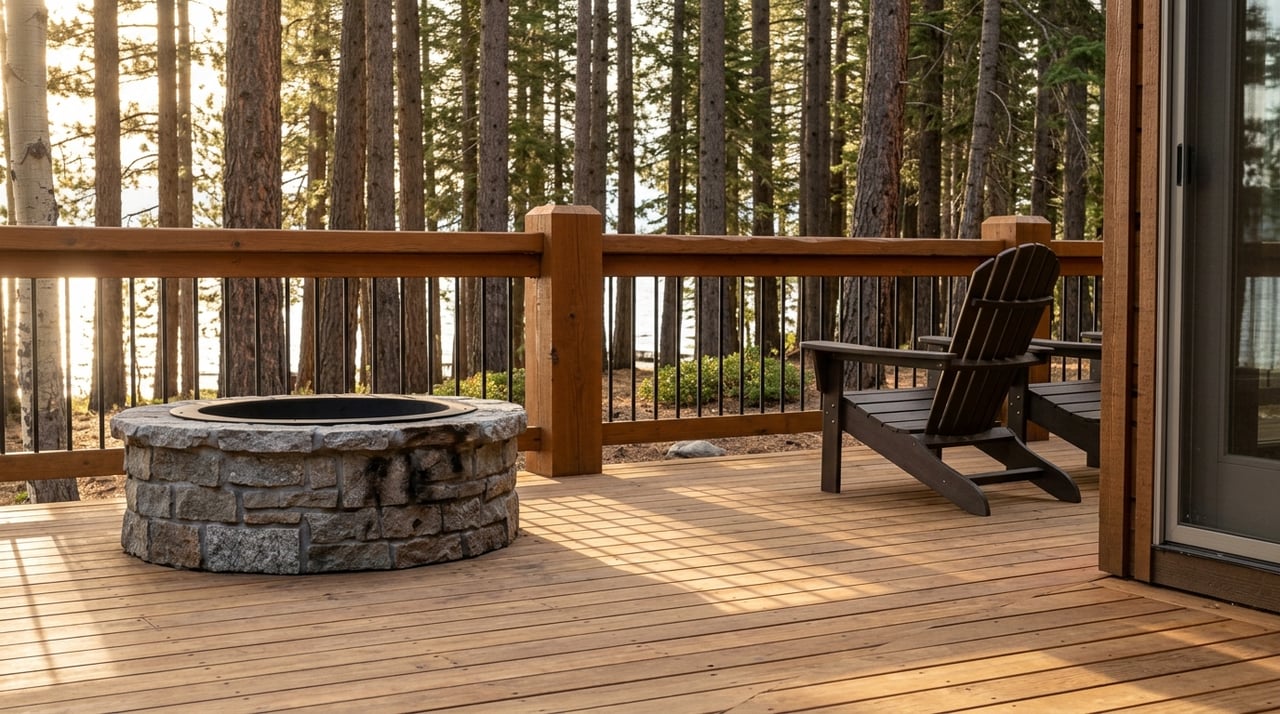
On lakefront property, outdoor living space is not just a bonus. Buyers often expect decks, patios, terraces, and seating areas that are comfortable to use and positioned to enjoy the setting.
Placer County’s Tahoe Basin guidance notes that open space should support outdoor living and recreation, with seating areas or plazas placed where solar exposure is good. That helps explain why sunny outdoor areas are such a strong selling point in this market.
A great lakefront home usually offers more than a view deck. Buyers often look for outdoor spaces that feel integrated with the home, protected from wind where possible, and easy to use throughout the day.
Lot Function Can Matter as Much as the House
In the Tahoe Basin, site usability deserves close attention. TRPA counts homes, driveways, parking areas, and even compacted soil as land coverage, and the amount of coverage a parcel can support depends on soil type and site verification.
That means a well-planned lot can be very appealing. Buyers often value flat usable areas, efficient circulation, and outdoor living space that does not rely on excessive hardscape.
The site also affects what may be practical later. In Placer County’s Tahoe Basin, grading and soil disturbance are generally limited to May 1 through Oct. 15, and additional thresholds can apply for sensitive lands and certain excavation amounts.
Stormwater controls are part of the bigger picture as well. Placer County notes that runoff protection is a core part of Lake Tahoe water-quality management, so buyers often pay attention to how a property handles drainage and watershed impacts.
Shoreline Access Can Separate One Home From Another
For many lakefront buyers, legal water access is one of the most valuable features on the property. Existing access improvements can create a meaningful difference between two homes that may otherwise seem similar.
TRPA’s Shoreline Plan limits new waterfront access structures basin-wide, allowing up to 128 new private piers and 1,486 new private moorings through allocation processes that include lotteries. Existing moorings must also be registered and renewed annually with TRPA.
Because of those limits, buyers often place a premium on homes that already have permitted shoreline access. A parcel with existing access can offer a very different ownership experience than one where future additions are uncertain.
Shoreline Ownership Comes With Rules
It is important to think about shoreline features as regulated improvements, not casual add-ons. TRPA also regulates how the waterfront operates, including a 200-foot no-wake buffer around shoreline structures and a broader 600-foot no-wake zone on Lake Tahoe.
Shoreline protection structures are regulated too. TRPA indicates a preference for sloping permeable revetments, and where shoreline protection is necessary, natural materials or earth-tone colors are preferred.
On the California side of Lake Tahoe, the area between ordinary low and high water is subject to the Public Trust Easement even when the fee is privately owned. For buyers, that is a reminder that lakefront ownership does not automatically mean unrestricted private use all the way to the waterline.
Architecture Should Fit the Setting
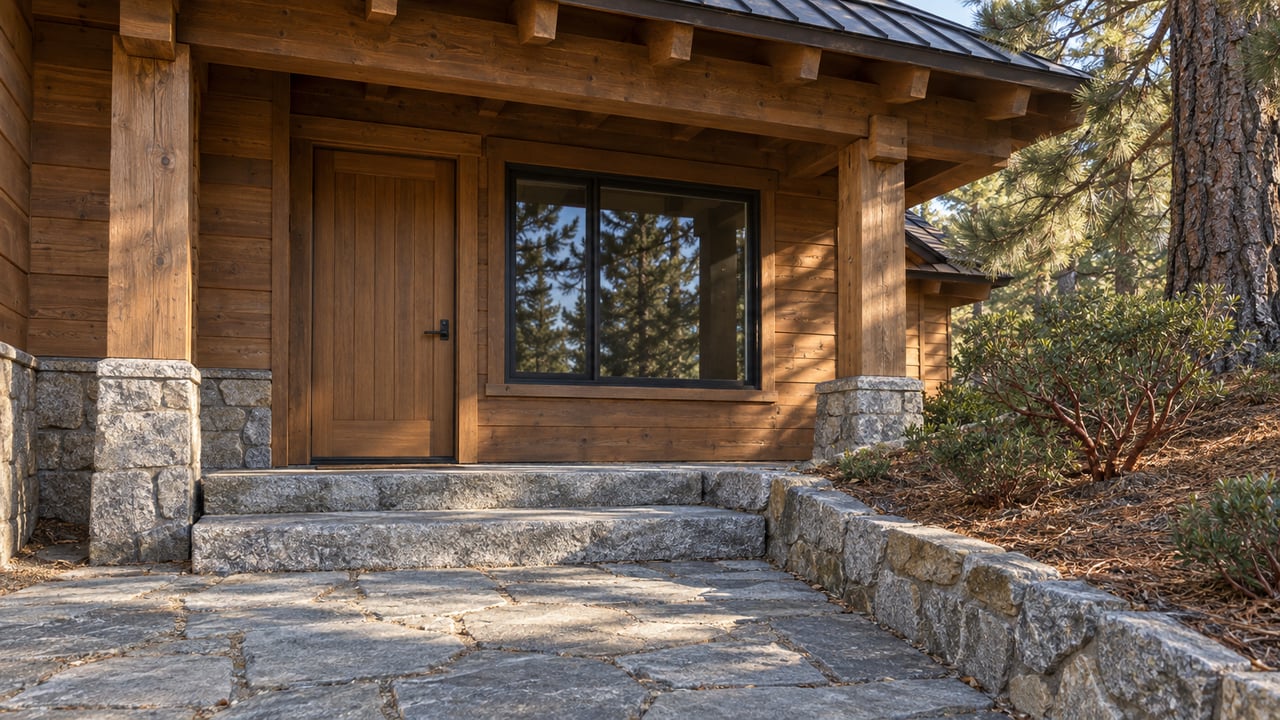
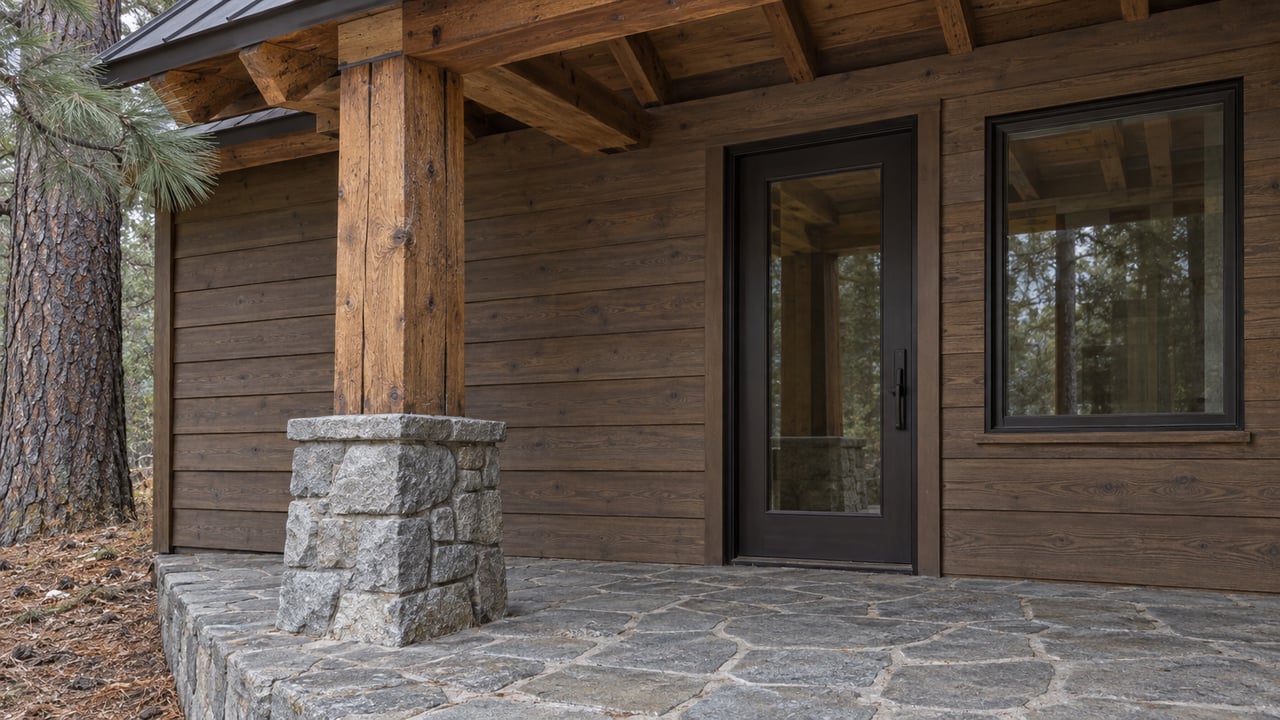
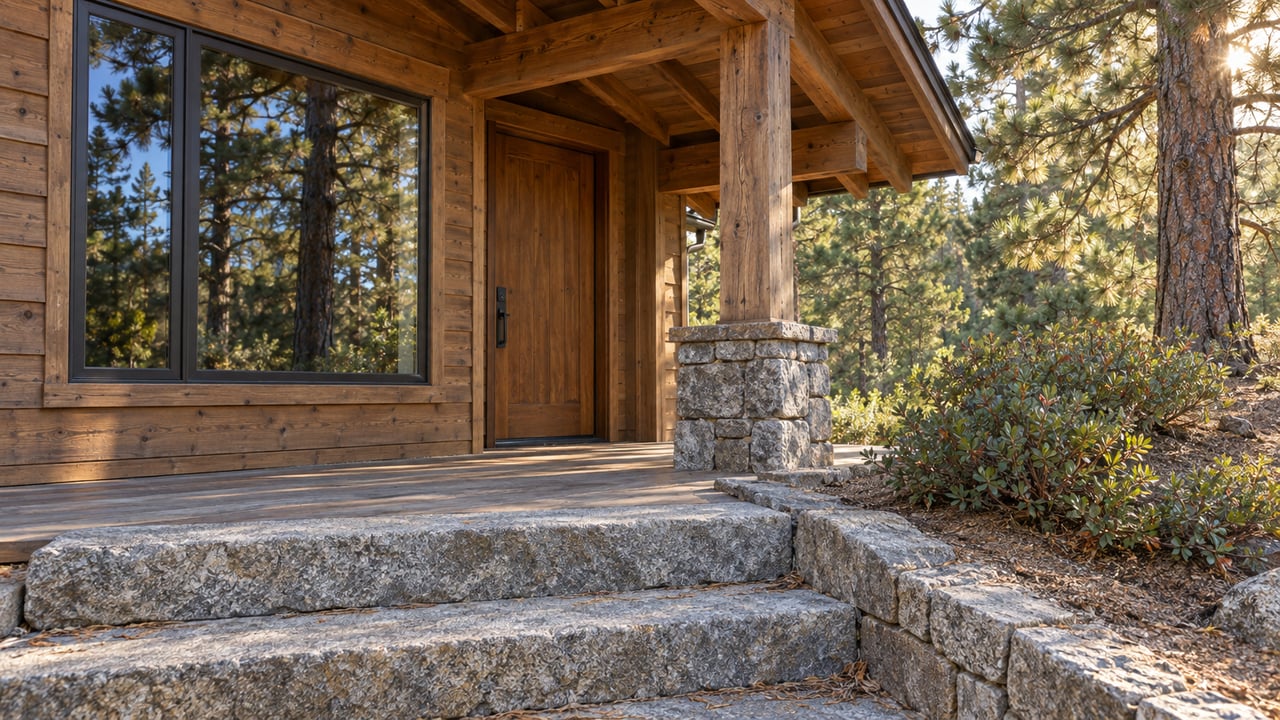
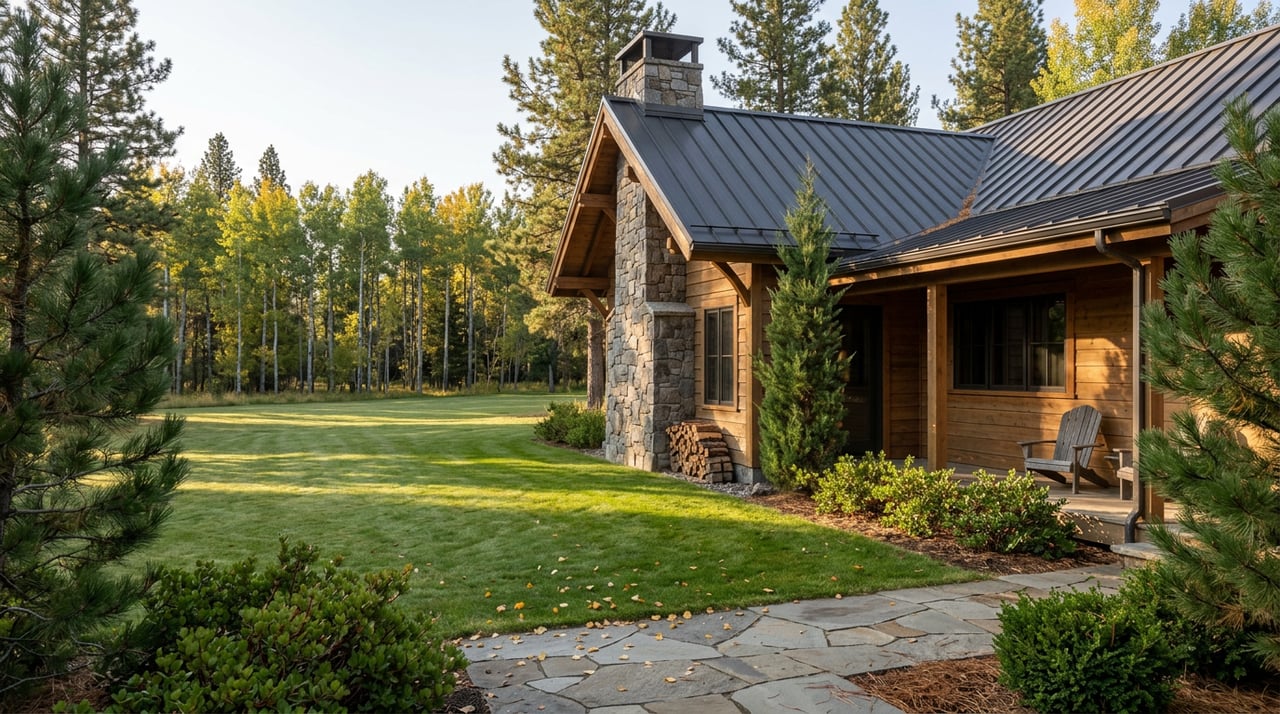
West Lake Tahoe buyers often respond strongly to homes that look like they belong on the shoreline. In Placer County’s Tahoe Basin design guidance, the preferred character leans toward Old Tahoe and Historic Alpine styles, with materials such as wood panels, masonry, logs, boards and batten, composite shingle, shiplap, heavy V-joint siding, and metal or composite roofs.
The color palette matters too. Subdued, earthy colors that blend with the alpine forest are encouraged, which aligns with what many buyers already expect from a Tahoe lakefront home.
TRPA’s visual review framework also considers factors like color, glass reflectance, and surface texture. That is one reason lower-gloss, less reflective finishes often feel more appropriate than shiny surfaces that call attention to themselves.
Buyers Notice Massing and Facade Design
The best-looking lakefront homes usually break up their scale. Long, uninterrupted lake-facing walls are generally less desirable because TRPA requires visual breaks on structures and limits visible facade massing through scenic review.
In real terms, buyers often notice when a home has articulated facades, strong but restrained materials, and a visual relationship to the shoreline. Those details can make a property feel more refined and better suited to Tahoe’s landscape.
Due Diligence Is a Big Part of the Search
Lakefront buyers tend to ask detailed questions early, and for good reason. In Tahoe City’s 96145 area, permits and approvals often involve both TRPA and Placer County.
Placer County states that TRPA and the county building division work together on Tahoe Basin permits, and the county requires a separate building permit for regulated structures. If you are considering updates or future improvements, that layered review process matters.
This is also why buyers often look beyond the home itself. They want to understand what is already permitted, what has been maintained properly, and what changes may be difficult, seasonal, or limited by shoreline and land-coverage rules.
What Smart Buyers Prioritize
When you step back, the strongest West Lake Tahoe lakefront homes usually check the same core boxes:
- Clear, well-protected lake views
- Outdoor spaces that are sunny, comfortable, and easy to use
- A functional site with efficient circulation and manageable coverage
- Existing, legal, and maintainable shoreline access when available
- Architecture that blends with the landscape instead of overpowering it
- A realistic path for ownership, maintenance, and future improvements
If you are comparing properties, it helps to look at each home through both a lifestyle lens and a regulatory lens. The homes that tend to stand out are the ones that deliver the Tahoe experience buyers want while also fitting the rules that define this shoreline.
In a market as nuanced as West Lake Tahoe lakefront real estate, local insight can make a real difference. If you want guidance on evaluating lakefront homes in Tahoe City and the North Lake Tahoe area, connect with Kane Schaller for a consultation.
FAQs
What do buyers value most in West Lake Tahoe lakefront homes?
- Buyers often focus first on unobstructed lake views, usable outdoor living space, legal shoreline access, and a home design that fits the natural setting.
Why is shoreline access so important for West Lake Tahoe buyers?
- Shoreline access can be a major differentiator because new private piers and moorings are limited by TRPA allocation processes, so existing permitted access may be more valuable.
Can you easily add a dock or mooring to a West Lake Tahoe lakefront property?
- No. New piers and moorings are capped and allocated through TRPA processes, and existing moorings must be registered and renewed annually.
Do West Lake Tahoe lakefront owners control the shoreline all the way to the water?
- No. On the California side of Lake Tahoe, the area between ordinary low and high water is subject to the Public Trust Easement even when the fee is privately owned.
What architectural style do buyers expect in West Lake Tahoe lakefront homes?
- Buyers often respond well to homes with Old Tahoe or Historic Alpine character, subdued earthy colors, and lower-gloss materials that blend with the forest and shoreline.
Do property changes in Tahoe City 96145 usually require approvals?
- Yes. In the Tahoe Basin, changes may require coordination with both TRPA and Placer County, and site work can also be affected by grading seasons, sensitive land rules, and stormwater requirements.