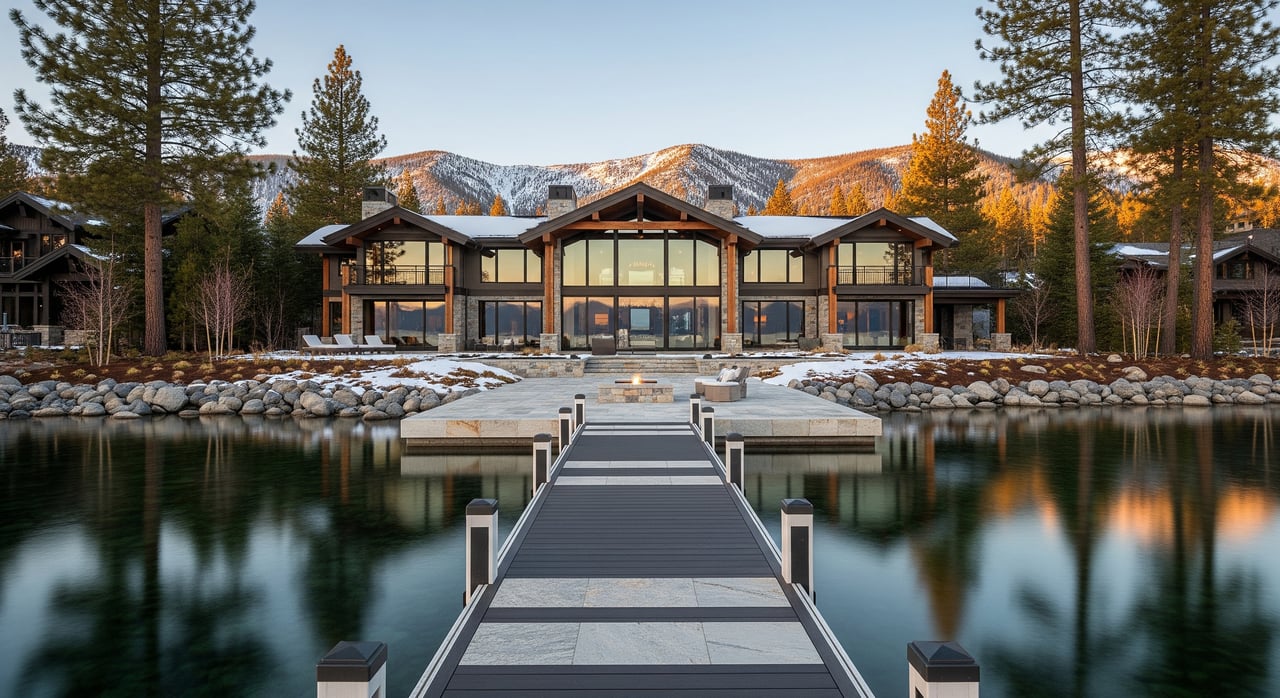
Thinking about timing your move in North Lake Tahoe? In 96145, the season you choose can shape buyer traffic, pricing power, and how smoothly a deal comes together. If you are eyeing a ski condo, a lakefront retreat, or a versatile investment, seasonality matters. In this guide, you will learn how winter, summer, and the shoulder months influence demand, inventory, and strategy in the Placer County side of North Lake Tahoe. Let’s dive in.
Seasonality at a glance in 96145
Seasonal patterns are clear here. Winter brings strong interest in homes and condos near ski access. Summer highlights lakefront and lake‑view properties with outdoor living. Spring and fall often offer less competition and more room to negotiate. Your goals determine which window gives you the best leverage.
Winter ski season: what to expect
Demand and inventory
From late November through March, ski access and snow‑dependent recreation drive demand. Buyers prioritize proximity to resorts like Palisades Tahoe and Northstar, turnkey condition, and rental potential for peak holiday weeks. Well‑located ski properties can move quickly when snow is good. Overall inventory can be lower because many owners keep places occupied for short‑term rentals.
Buyer tactics in winter
- Get pre‑approved and be ready to move quickly on prime ski‑oriented listings.
- Verify winter access and systems during inspections, including heating, roof load, and snow removal.
- Be flexible with showings around weather and travel windows.
Seller strategy in winter
- List early in the season to capture holiday and mid‑winter traffic.
- Highlight ski access, winter amenities, and any documented short‑term rental history.
- Use professional winter photography to show condition and access.
Risks and logistics
Weather can limit travel and showings, and heavy snow years can strain scheduling. If you are selling, plan for snow management during active marketing. If you are buying, build in time for inspections that address winter performance.
Summer lake months: what to expect
Demand and inventory
June through August, buyers focus on lake access, boating, and outdoor living. Family schedules open up, and short‑term rental demand is strong again. Inventory often rises because owners who rented in winter choose to list for summer showings. Lakefront and lake‑view properties can command seasonal premiums.
Buyer tactics in summer
- Evaluate decks, outdoor spaces, and storage for boats and gear.
- Check seasonal systems like septic, drainage, and erosion control.
- If investing, request rental performance history to assess summer ADR and occupancy.
Seller strategy in summer
- Launch by late spring so your listing shows in peak condition.
- Stage decks and yards, and call out lake proximity, parking, and storage solutions.
- Expect more competing inventory and price accordingly.
Shoulder seasons: spring and fall
Market dynamics
April–May and September–early November bring lower tourist traffic and fewer showings. Sellers who list may be motivated, and buyers often find more time for financing and inspections. You may see better negotiation leverage, though selection can be thinner.
Buyer tactics in shoulder months
- Hunt for well‑priced properties and be ready to negotiate.
- Verify seasonal costs such as winterization and snow removal contracts.
- Allow for possible scheduling delays with lenders or appraisers.
Seller strategy in shoulder months
- Price competitively and promote easier access for showings.
- Consider incentives like closing credits or included personal property.
- Be prepared for a longer marketing window.
Local factors that move the needle
- Snowpack and resort operations. Heavy snow seasons boost ski‑season demand and short‑term rental occupancy. Low‑snow winters can soften ski‑dependent demand.
- Short‑term rental regulations and economics. Placer County rules and registration requirements, plus seasonal occupancy and rate patterns, influence investor timing and valuation.
- Transportation and accessibility. Winter road conditions and chain controls can reduce showing activity; holiday traffic can create sharp demand spikes.
- Events and holidays. Christmas to New Year’s, President’s Week, Fourth of July, and major resort events bring standout visitation that affects listing traffic.
- Local supply mix. Condos near resorts are more sensitive to ski season, while single‑family and lakefront properties respond more to summer.
Data to monitor before you act
- Active inventory and new listings by month to see when supply opens up.
- Median price and price per square foot by month or quarter to spot seasonal premiums.
- Days on market and sale‑to‑list ratio to gauge competition and negotiation room.
- Short‑term rental occupancy and ADR by month to model returns if you plan to rent.
- Snowpack levels and resort lift status to forecast winter demand.
- Local visitation statistics to understand tourism peaks and troughs.
- Mortgage rates and lending activity that can override seasonal patterns.
- Placer County planning and STR updates that may shift investor calculus.
Seasonality calendar for 96145
- Winter: late Nov–Mar. Ski‑oriented listings gain traction. Sellers of ski‑proximate and turnkey rental properties can capture strong interest. Buyers should act fast on prime locations and verify winter systems.
- Spring: Apr–May. Lighter tourism and selective inventory. Good for buyers seeking negotiation room; sellers should price to win and highlight ease of access.
- Summer: Jun–Aug. Lake months and family schedules boost tours and offers on lakefront, lake‑view, and outdoor‑friendly homes. Sellers should showcase outdoor living and storage.
- Early fall: Sep–early Nov. Another off‑peak window. Buyers can find motivated sellers; sellers can benefit from less competition if pricing is aligned.
Quick checklists by buyer type
Ski‑first buyer checklist
- Prioritize proximity to Palisades Tahoe and Northstar, plus shuttle or parking access.
- Inspect heating, insulation, roof, and snow load management.
- Confirm winter road maintenance and snow removal plans.
- Review rental performance for peak winter weeks if investing.
Lake‑first buyer checklist
- Assess lake access, mooring options, and boat storage.
- Evaluate decks, sun exposure, and outdoor living setups.
- Inspect drainage, erosion control, and septic performance in dry months.
- Ask for summer rental history if income is part of your plan.
Investment‑minded buyer checklist
- Model revenue using seasonal occupancy and ADR, not annual averages alone.
- Verify local STR registration status and compliance requirements.
Seller prep checklist
- Choose the season that best fits your property’s strengths.
- Price using comps from the same season to avoid mixed signals.
- Stage for the season: snow access and winter photos in ski months, outdoor living in summer.
- Plan inspection readiness and convenient showing schedules.
Should you buy or sell now?
It depends on your property type and goal. If ski access or winter cash flow drives your plan, winter can maximize exposure to the right buyers. If lake living and outdoor spaces are the priority, summer showings tend to deliver the best first impression. If you want negotiation room and fewer competing buyers, the shoulder seasons can work in your favor, though you may see fewer options. Align your timing with these patterns, then back the decision with current local data.
Ready to tailor a move to your goals in 96145? Connect with a local advisor who tracks seasonality, off‑market opportunities, and STR dynamics so you can act with confidence. Reach out to Kane Schaller to Schedule a Consultation.
FAQs
How do seasons change pricing in 96145?
- Lakefront and lake‑view homes often see summer strength, while ski‑oriented properties can see winter premiums. Shoulder seasons may offer more negotiation room.
Should I wait for winter or summer to buy?
- Buy when your target property type is in its strongest showing condition. Ski buyers often prefer winter; lake buyers prefer summer. Shoulder months can help with leverage.
How does snowpack affect demand each year?
- Strong snow seasons boost ski visitation and short‑term rental revenue, increasing demand for ski‑proximate properties. Low‑snow winters can soften that segment.
How much do STR rules and seasonality affect value?
- Investor pricing often reflects seasonal cash flow peaks in winter and summer, minus shoulder lows and compliance costs tied to local STR regulations.
Are inspections or financing different by season?
- Lenders operate year‑round, but appraisals can be trickier if comps are seasonal. Time inspections to seasonal conditions, such as winter heating and summer drainage.